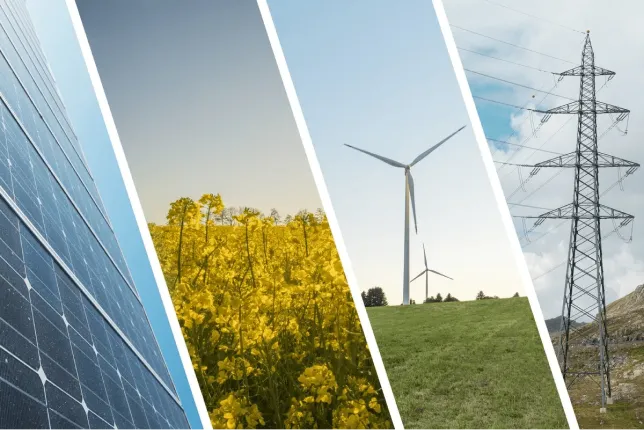
Despite global warming, there is hope that we can overcome this unprecedented climate crisis: the development of renewable energy. Indeed, the development of these types of energy in our modern societies could in the long term allow us to limit the damage caused by global warming. Scientists agree, however, that we can no longer return to the "stable" climatic situation that our planet once knew. Among the various forms of energy are electrical, wind and solar power. Efforts have already been made in this direction, notably with the democratisation of electric cars and an awakening of awareness on this subject.
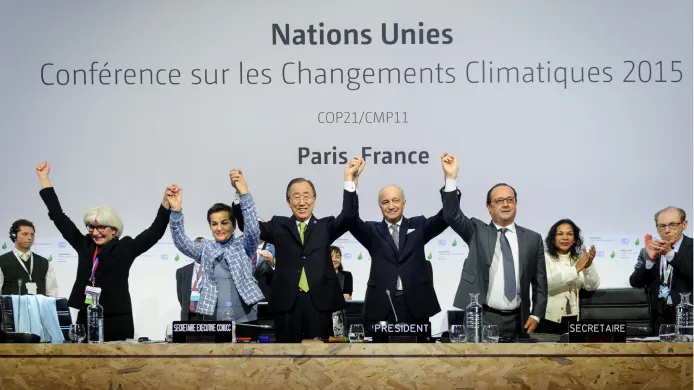
20 billion of public money over 5 years to develop a plan to carry out energy work, namely the insulation of buildings and houses with the greater objective of achieving carbon neutrality by 2050. Also, several climate summits have been organised and some measures have been taken, notably the famous Paris agreements in 2015.Car companies are also getting their feet wet by proposing more and more electric cars in their offer. Tesla, Elon Musk's famous electric car company, will sell more than a million cars in 2021 for a record turnover of $54 billion, which may reflect the growing interest of people in this type of vehicle, unlike in the past.
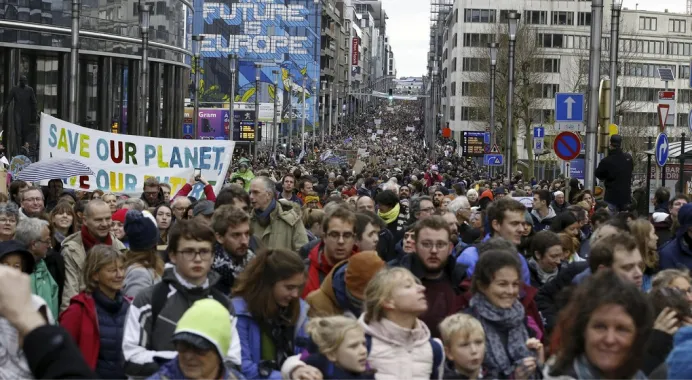
The general public is also very invested in this issue. On the basis of scientists who say that the measures taken will probably not be enough to allow us to sufficiently limit the effects of climate change, many young protesters have made their voices heard in different ways. From demonstrations and attempts to draw attention to sporting events, we are increasingly hearing about protesters trying to send an urgent message about the government's inaction or lack of action on the issue. For example, on 23 September, a protester tried to burn his arm during a Lever Cup match in London to raise awareness about the use of polluting private jets - because they use a lot of paraffin - by carrying a sign that read "end private jets in the UK". We can also talk about the various climate marches that began to appear in the early 2010s and have been held relatively regularly since then, the last one taking place on 21 September 2019 in Paris and bringing together more than 150,000 demonstrators according to the organisers.